
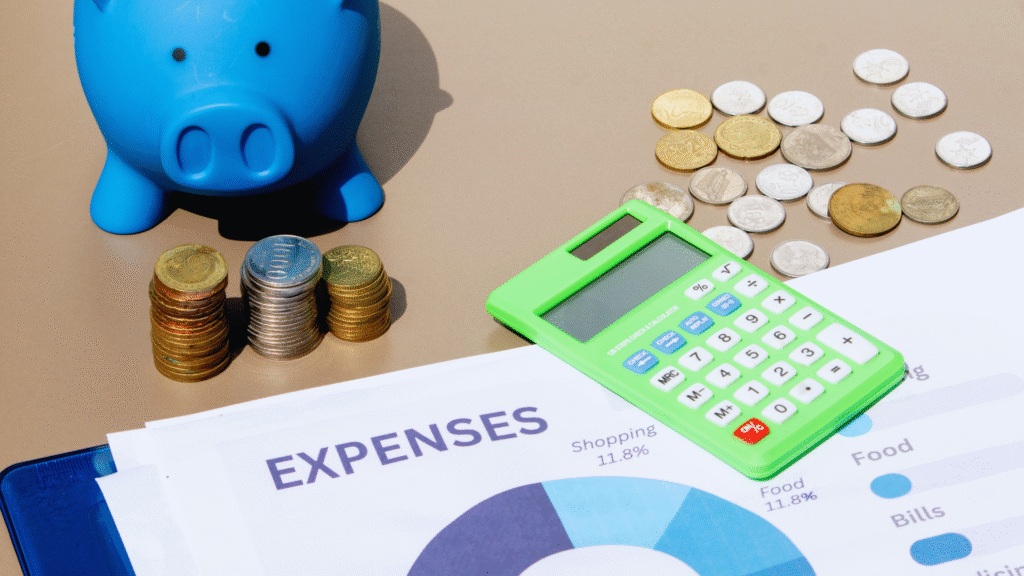
Reducing everyday spending can make a significant difference without requiring drastic lifestyle changes. Many people find they overspend on small, routine purchases that add up over time.
The best ways to cut costs include tracking expenses, setting budgets, and prioritising needs over wants. These simple habits help identify unnecessary spending and create room for savings.
By focusing on practical adjustments rather than strict restrictions, anyone can manage money more effectively. This approach leads to sustainable habits that ease financial pressure in the long run.
Mastering Your Budget and Tracking Spending
Effective control of personal finances requires establishing clear spending limits, regularly checking where money goes, and adopting practical methods to reduce costs. Taking these steps systematically helps maintain financial stability and encourages saving.
Building an Effective Budget
Creating a budget starts with listing all sources of income and fixed expenses such as rent, utilities, and subscriptions. Then, estimate variable costs like groceries, transport, and entertainment with precise figures from previous months.
A practical budget sets limits on discretionary spending while ensuring essential needs are covered. Using categories and allocating specific amounts for each helps avoid overspending and highlights areas where money can be saved.
Budgeting tools such as apps or spreadsheets can aid in tracking and adjusting spending plans. Reviewing the budget monthly is vital to adapt to changes like price increases or shifts in income.
Monitoring Everyday Expenses
Tracking daily expenses provides insight into where money drains unexpectedly. Keeping receipts or using expense tracking apps allows for categorisation and identification of small, unnecessary purchases.
Recording amounts spent on coffee, snacks, or impulse buys reveals patterns that, when altered, can significantly cut costs. It also supports adherence to the budget by encouraging conscious spending decisions.
Regular expense reviews highlight trends and opportunities for adjustment. For example, switching to cheaper alternatives for regular purchases can free up funds for savings or debt repayment.
Strategies to Cut Your Spending
Focusing on non-essential categories offers the quickest savings. Negotiating bills, cancelling unused subscriptions, and using loyalty programmes can reduce regular expenses.
Buying in bulk, planning meals to avoid takeaways, and shopping with a list can limit impulse purchases. Switching to energy-saving appliances also lowers utility bills over time.
Setting spending limits for discretionary categories and automating transfers to savings accounts stops excess spending and builds financial discipline. Small, consistent changes accumulate into significant money saved.
Optimising Household Purchases and Essentials
Reducing everyday spending on household items involves precise planning and resourcefulness. Prioritising value, using discounts, and exploring alternative shopping options contribute to significant savings.
Shopping Smart for Household Essentials
They should create a detailed list before shopping to avoid impulse buys. Comparing prices both in-store and online helps identify the best deals. Buying in bulk for frequently used items, such as cleaning products or toiletries, often lowers the per-unit cost.
Prioritising store brands instead of premium names frequently yields similar quality for less money. They should monitor sales cycles and stock up on essentials when prices drop. Being aware of unit prices shown on labels supports smarter purchasing decisions.
Buying and Using Coupons and Promo Codes
Using coupons and promo codes requires consistent checking of multiple sources, like supermarket websites, apps, and coupon aggregators. They should combine coupons with store promotions to maximise discounts.
Digital coupons often have expiry dates and conditions; reading terms carefully ensures eligibility. Stacking promo codes at checkout, when allowed, reduces the final bill further. Organising coupons by expiry date prevents missed savings.
Careful use of cashback offers and loyalty points complements coupon savings, making purchases more economical without extra effort.
Embracing Thrift Stores and Secondhand Shopping
Thrift stores provide household essentials and tools at lower prices than retail outlets. They should inspect secondhand items carefully to confirm quality and usability before purchase.
Secondhand shopping is especially useful for durable goods like furniture and kitchenware. Browsing regularly increases the chances of finding good deals.
Reselling unused items also offsets future spending and encourages a circular economy. Using local community sales and online marketplaces expands available secondhand options.
Reducing Food and Grocery Costs
Reducing spending on food requires practical strategies focused on planning, preparation, and waste reduction. Careful decisions about what to buy, how to cook, and reusing leftovers contribute to notable savings over time.
Meal Planning for Maximum Savings
Meal planning helps control grocery expenses by limiting impulse purchases. Creating a weekly meal plan based on affordable, versatile ingredients allows for efficient shopping.
It is important to build a shopping list from the plan and stick to it. Buying seasonal fruits and vegetables cuts costs without sacrificing nutrition. Batch cooking meals in advance also reduces the temptation of takeaways.
Using a meal plan encourages buying in bulk for staples like rice, pasta, and beans, which often cost less per unit. Planning meals around discounts and supermarket offers increases savings while avoiding food waste.
Cooking at Home Versus Dining Out
Cooking at home consistently costs less than eating out or ordering food delivery. Ingredients purchased for home cooking are spread over several meals, lowering the per-portion cost.
Preparing meals at home offers control over portion sizes and ingredient quality, which supports healthier choices. Simple recipes using inexpensive ingredients like eggs, legumes, and seasonal vegetables can be both nutritious and budget-friendly.
Dining out involves extra charges such as service fees and tipping, often doubling the price of a homemade meal. Frequent home cooking is the most reliable way to save money on daily food consumption.
Limiting Food Waste and Using Leftovers
Minimising food waste is a direct method to reduce grocery bills. Proper food storage extends shelf life, avoiding premature spoilage.
Leftovers can be creatively repurposed into new meals, such as turning roast vegetables into soups or salads. Using smaller portions initially and freezing excess food prevents waste and preserves nutrients.
Tracking expiry dates and rotating stocks using the FIFO (First In, First Out) method ensures ingredients are used in a timely manner. Waste reduction combined with meal planning significantly boosts overall savings.
Eliminating Wasteful Spending and Subscriptions
Reducing everyday expenses often starts with identifying payments that provide little or no value. Careful review of recurring costs and finding alternatives can free up significant funds for more essential needs.
Cancelling Unused Subscriptions
Many people pay for services they rarely or never use. These can include streaming platforms, gym memberships, or software licences. Regularly auditing bank statements for such charges helps spot these unused subscriptions.
Cancelling them promptly stops unnecessary spending. Some services make cancellation difficult, so keeping track of renewal dates and acting before automatic payments renew is essential.
Evaluating Subscription Services for Value
Not all subscriptions are wasteful, but assessing if each provides worthwhile benefits is important. Comparing features, prices, and usage frequency can highlight lower-cost or higher-value alternatives.
She should ask if the content or service justifies its monthly cost. Sometimes sharing a family or group subscription reduces individual expense without losing access.
Making Use of Library Books for Entertainment
Library books offer a cost-effective way to access entertainment and learning materials. They eliminate the need to purchase books, magazines, or audiobooks used only occasionally.
Local libraries often provide digital loans, including eBooks and audiobooks, increasing convenience. Using these resources regularly can replace paid subscriptions for similar content, cutting down entertainment spending.