
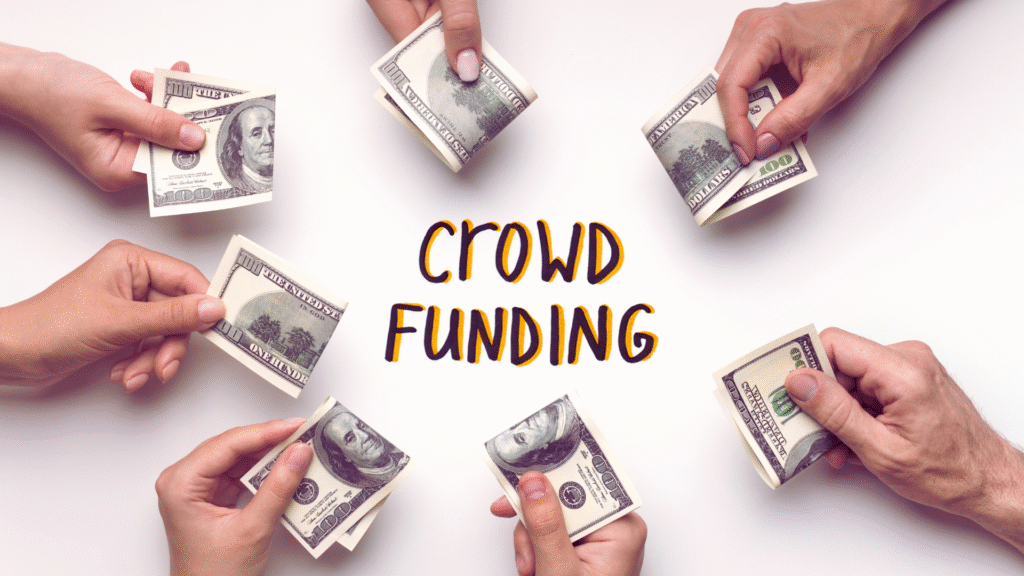
Crowdfunding and angel investing are two popular strategies for financing a business, each with distinct advantages and challenges. Entrepreneurs often wonder which option is best for their specific needs. In many cases, crowdfunding can provide quicker access to capital and a broader audience, while angel investing offers mentorship and professional guidance.
Crowdfunding allows individuals to raise small amounts of money from a large number of people, usually through online platforms. This approach not only generates funds but also builds a community of supporters. On the other hand, angel investors typically contribute larger sums in exchange for equity and often bring invaluable experience and networks.
Understanding the unique benefits of each option is crucial in making an informed decision. For startups seeking immediate market validation and a diverse funding base, crowdfunding might be the superior choice. Conversely, for those wanting strategic support alongside financial backing, angel investing could prove more beneficial.
Understanding Crowdfunding and Angel Investing
Crowdfunding and angel investing are two prominent methods of funding available to startups and early-stage companies. Each has unique characteristics that cater to different business needs and objectives.
Defining Crowdfunding
Crowdfunding involves raising small amounts of money from a large number of people, typically via online platforms. These platforms, such as Kickstarter and Indiegogo, allow entrepreneurs to showcase their projects to potential backers. In return for their financial support, backers may receive rewards, equity, or just the satisfaction of contributing to a project.
This method is particularly beneficial for businesses seeking initial capital without giving up significant control. Crowdfunding campaigns often rely on marketing strategies to reach a wider audience. Success in this area often correlates with how well an idea resonates with potential supporters.
What Is Angel Investing?
Angel investing refers to affluent individuals, known as angel investors, who provide capital to startups, usually in exchange for equity. Unlike crowdfunding, this method often involves a personal relationship between the entrepreneur and the investor. Angel investors not only supply funds but may also offer mentorship and industry connections, which can be invaluable during the early stages of a business.
Angel investors generally seek a higher return on their investment compared to traditional funding. They are typically involved in the company’s direction, with a vested interest in the startup’s success. This type of financing is often channelled through angel groups or networks that connect multiple investors.
Key Differences Between Funding Methods
|
Feature |
Crowdfunding | Angel Investing |
|
Funding Source |
Many small backers via platforms | Individual wealthy investors |
|
Ownership |
Limited ownership or rewards | Equity stake in the company |
| Control | Entrepreneur retains more control |
Investors may influence business decisions |
| Investment Size | Smaller, variable contributions |
Larger, more substantial investments |
| Engagement Level | Minimal ongoing relationship |
Active involvement and mentorship |
The differences in these methods can significantly impact a startup’s trajectory. Understanding the nuances helps entrepreneurs choose the right funding route for their specific objectives.
How Each Funding Method Works
Crowdfunding and angel investing represent two distinct approaches to raising capital for a business. Crowdfunding leverages the collective contributions of many individuals, while angel investing involves financial support from high-net-worth individuals seeking potential returns.
Crowdfunding Campaigns and Platforms
Crowdfunding campaigns typically launch on specific online platforms. Popular sites include Kickstarter and Indiegogo, where entrepreneurs can present their ideas. A campaign usually includes a project description, funding goal, and timeline.
Creators often offer rewards for backers, which can range from early product access to exclusive merchandise. Crowdfunding platforms operate on a straightforward premise: funds are collected from a large number of contributors.
Campaigns can be either rewards-based or equity-based. In rewards-based crowdfunding, backers receive non-financial rewards. In equity crowdfunding, investors receive a share of the company, making their contributions more financially aligned with the company’s success.
Types of Crowdfunding
There are several types of crowdfunding strategies to consider:
- Rewards-based crowdfunding: Backers receive tangible rewards but no equity in the business.
- Equity crowdfunding: Contributors obtain shares in the business, gaining potential financial returns.
- Debt crowdfunding: Investors lend money to businesses with the expectation of repayments with interest.
Each type has unique benefits and drawbacks. Entrepreneurs must choose the method that aligns best with their business model and goals. Engaging with the right crowd is crucial for success.
Role of Angel Investors
Angel investors are typically high-net-worth individuals who provide capital in exchange for equity or convertible debt. They often bring not only funding but also valuable expertise and networks to the businesses they support.
Angel investing usually occurs after a business has validated its concept but before seeking venture capital. Investment amounts can vary widely, often ranging from £5,000 to £250,000.
In addition to financial backing, angel investors often provide mentorship, helping entrepreneurs navigate initial challenges. Their involvement can significantly influence business growth and strategy, making this form of investment particularly attractive for early-stage ventures.
Factors to Consider When Choosing Between Crowdfunding and Angel Investing
Selecting between crowdfunding and angel investing involves evaluating several critical factors that impact the business’s future. The capital raised, business plan robustness, investor relationship dynamics, and potential for networking are essential considerations that can shape success.
Capital Requirements and Cash Injection
Crowdfunding allows businesses to raise capital from a large number of individuals, providing an opportunity to accumulate funds efficiently. Platforms often enable quick raises, featuring minimal minimum investment thresholds, which can be appealing for startups needing immediate cash infusions.
In comparison, angel investing usually involves a more significant capital injection from a single or few investors. These funds may be critical for high-cost projects or when rapid scaling is necessary. It’s vital to assess the required capital and the urgency of funding needs when deciding which route to pursue.
Business Plan, Traction, and Market Validation
A well-structured business plan is essential for both options. Investors, whether through crowdfunding or angel investment, seek strong traction and market validation before committing funds.
Successful crowdfunding campaigns often rely on showcasing early customer interest and a compelling narrative. This visibility can attract attention. In contrast, angel investors typically desire comprehensive business plans that detail projections and strategies to mitigate risks. High growth potential is a significant draw for both funding models.
Equity Financing, Ownership, and Control
Equity financing differs significantly between crowdfunding and angel investing. In crowdfunding, companies might offer smaller equity stakes to numerous investors, which can dilute ownership more broadly. This approach may be suitable for businesses open to sharing control with the public.
On the other hand, angel investors usually seek substantial equity stakes in exchange for their investments. This arrangement significantly impacts control over business decisions. Entrepreneurs should evaluate their comfort with ownership dilution against the need for capital, as this decision affects long-term operational control.
Networking, Mentorship, and Visibility
Angel investors often provide not just capital but valuable mentorship and networking opportunities. Having experienced investors onboard can open doors to industry connections and insights, enhancing business prospects.
Crowdfunding, while effective for raising funds, may lack the personal investor relationship that comes with angel investing. However, successful campaigns can increase visibility and direct engagement with potential customers and supporters, creating a different type of network. Entrepreneurs must weigh the benefits of mentorship against the exposure gained through a crowdfunding approach.
Comparing The Advantages and Drawbacks
Each funding option offers distinct benefits along with potential drawbacks. Evaluating these aspects is crucial for start-ups when determining the right path for their financial needs.
Benefits of Crowdfunding for Start-ups
Crowdfunding allows businesses to access capital from a large number of individuals, often through platforms like Kickstarter or Indiegogo. One significant advantage is the opportunity to validate a business idea early, as the interest shown by backers can serve as market research.
Additionally, crowdfunding can build a community of loyal customers who feel invested in the product’s success. It requires less overhead in terms of investor relations and doesn’t dilute ownership in the company as much as other methods, such as angel investing or venture capital.
Moreover, since crowdfunding can be structured in multiple ways—such as rewards-based, equity-based, or donation-based—start-ups can choose a model that aligns with their vision.
Advantages of Angel Investors
Angel investors are often affluent individuals who provide capital in exchange for equity ownership or convertible debt. One major benefit is their expertise; many angel investors also offer mentorship, which can greatly enhance a start-up’s chances of success.
Access to a larger pool of capital is another advantage. The amounts invested by angel investors can range from £10,000 to £500,000, depending on the business needs.
Additionally, angel investors usually conduct a more streamlined investment process compared to venture capitalists. They tend to be more flexible and quicker in their decisions, which can be crucial for start-ups in need of immediate funding.
Potential Risks and Limitations
Crowdfunding does carry risks, such as potential failure to meet funding goals. If a start-up does not raise the required minimum, it may not receive any funds and risk damaging credibility.
Legal complexities also arise, particularly with equity crowdfunding. Compliance with SEC regulations can be demanding, requiring thorough documentation and disclosures.
In contrast, while angel investing offers substantial support, it can lead to significant ownership dilution. Founders might have to relinquish more control than they initially intended, which can create friction later on.
Moreover, if the business does not perform well, the relationship with the investor may become strained, causing tension in decision-making.