
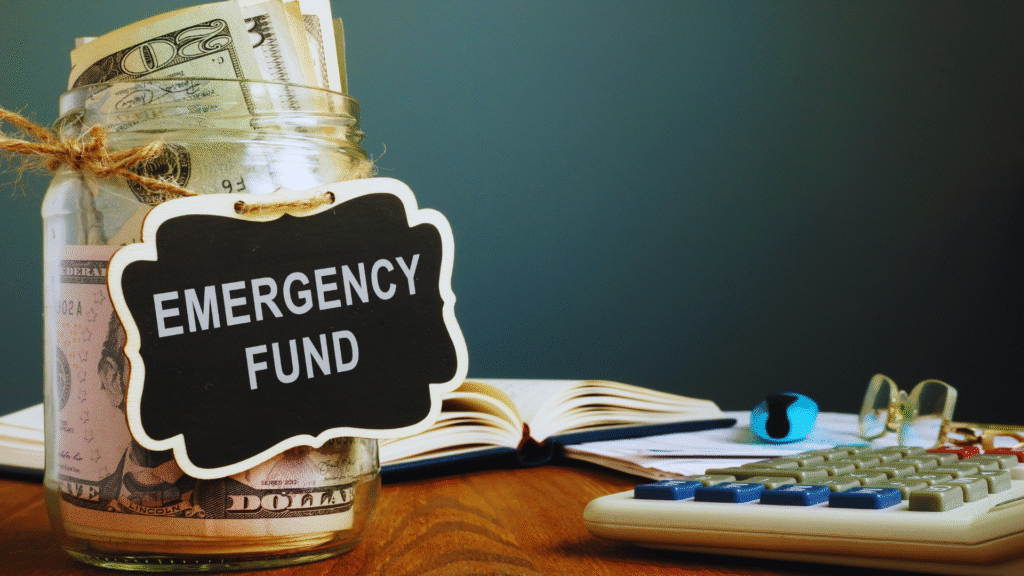
Building an emergency fund is an essential step towards financial stability. Many individuals wonder how much they should truly save for unforeseen expenses. A common guideline suggests saving three to six months’ worth of living expenses, providing a solid buffer against unexpected events.
Understanding the varied factors that influence this amount is crucial. Someone with a steady job and fewer dependents may prefer the lower end of that range, while those with irregular income or higher responsibilities might aim for the higher end to ensure adequate coverage.
Having a well-planned emergency fund not only alleviates stress during financial difficulties but also offers peace of mind. Readers will find that the right savings target can empower them to feel secure in their financial future.
Understanding Emergency Funds
Emergency funds are vital components of personal finance, providing financial security during unexpected events. They serve as a safety net against unforeseen expenses, ensuring individuals can manage crises without resorting to debt.
What Is an Emergency Fund?
An emergency fund is a dedicated savings account designed to cover unplanned expenses and financial emergencies. Typically, it is separate from regular savings and investments to ensure easy access when needed.
Experts usually recommend saving three to six months’ worth of living expenses. This amount can vary based on personal circumstances, such as job stability and dependants. Having funds readily available helps avoid financial stress and maintains stability during difficult times.
Why Are Emergency Savings Essential?
Emergency savings are essential for multiple reasons. They offer a buffer against life’s unpredictable events, such as medical emergencies, job loss, or urgent home repairs. Without adequate savings, individuals may face unmanageable debt or resort to high-interest loans. Homeowners often face sudden issues like water damage or pest infestations in the attic. These problems usually require immediate professional help to prevent further damage to the property. For instance, animal nesting or severe mold in the attic space often means you have to clear out old, contaminated materials. Hiring a professional insulation removal company is a common expense in these situations. This step is necessary before any new protective barriers can be installed. Having emergency savings makes it easier to handle these sudden, costly home maintenance projects without stress.
In addition to preventing financial strain, emergency funds contribute to peace of mind. Knowing there is a financial cushion allows for better focus on daily life and long-term financial goals. Building an emergency savings fund should be a priority in personal finance planning, ensuring readiness for unexpected costs.
How Much Should You Really Save?
Determining the right amount to save for an emergency fund is essential for financial stability. It involves assessing personal circumstances and calculating basic living expenses to establish a realistic savings goal.
Calculating Your Emergency Savings Goal
A reasonable emergency savings goal typically ranges between three to six months’ worth of essential expenses. Essential expenses include mortgage payments, utility bills, groceries, and other necessities.
To calculate the savings goal, a person can first tally their monthly outgoings. This might include:
- Mortgage/rent
- Utilities
- Groceries
- Transportation
- Insurance premiums
After noting these figures, multiply the total monthly expenses by the desired number of months. For example, if monthly expenses total £2,000, aiming for six months results in a target of £12,000 (£2,000 x 6).
Factors Impacting Your Savings Target
Several factors influence the amount designated for an emergency fund. One critical factor is a person’s financial situation. Individuals with stable jobs may save less than those in volatile employment, as job security affects future income flow.
Another factor is the level of disposable income available after covering essential spending. People with higher disposable income can build their emergency funds more rapidly.
Also, consider personal circumstances, such as family size or existing debts. Individuals with dependants may need larger funds to cover unexpected costs. Consequently, they might opt to save more aggressively compared to singles without financial obligations.
Smart Strategies for Building Your Fund
Building an emergency fund requires a solid strategy that involves careful budgeting, selecting the right accounts, and finding ways to grow savings effectively. Implementing practical approaches can make a significant difference in achieving financial security.
Budgeting Methods to Prioritise Savings
Establishing a clear budget is crucial for prioritising savings. The 50/30/20 rule is a popular method that allocates 50% of income to needs, 30% to wants, and 20% to savings. By following this guideline, individuals can set aside a portion specifically for their emergency fund.
Another effective approach involves tracking monthly expenses to identify discretionary spending. This helps in adjusting budget categories to increase savings. For instance, reducing dining out or subscription services can free up cash for savings.
Setting specific savings goals can also motivate individuals to prioritise their funds. Creating a visual chart or using budgeting apps can encourage consistent contributions to the emergency fund, making savings a regular practice.
Where to Keep Your Emergency Fund
Choosing the right account for an emergency fund is essential for maximising accessibility and interest earnings. A savings account is typically recommended due to its liquidity and safety. Interest rates on savings accounts can vary, so it’s beneficial to compare options.
Cash ISAs (Individual Savings Accounts) provide tax-free interest, making them an attractive choice for those saving long-term. Even though access might be more limited, the tax benefits can outweigh this drawback.
Individuals should avoid keeping funds in a current account, as these often yield little to no interest. Instead, exploring high-interest savings accounts can greatly increase savings potential, aiding in building the fund more effectively.
How to Grow Your Emergency Savings
Growing the emergency fund can be achieved through disciplined savings and strategic investments. Individuals can automate transfers from their main account to a savings account, ensuring consistent contributions.
Reviewing interest rates periodically can identify opportunities to switch accounts for higher returns. Staying informed about inflation is essential as well; high inflation can erode savings, making it crucial to seek accounts with competitive rates.
Further, individuals can consider occasional windfalls, such as bonuses or tax refunds, as direct contributions to their emergency fund. By treating these as savings opportunities, they can build their fund more quickly.
Balancing Emergency Savings and Other Financial Goals
Emergency savings play a crucial role in financial stability, but they must be balanced with other objectives like investing and retirement planning. Allocating resources effectively ensures both security and growth in personal finances.
Balancing Emergency Funds With Investing
While building an emergency fund is essential, individuals should also consider investing for long-term growth. Having three to six months’ worth of expenses saved is generally advisable. Beyond that, funds might be earmarked for investments in stocks, bonds, or pensions.
Investing can yield higher returns than a traditional savings account. For instance, historical stock market performance shows an average annualised return of around 7-10%. Maintaining a balance between liquidity and growth enables an adjusted approach to financial goals.
Strategies for dividing savings can include the following:
- Save 20% for emergencies.
- Allocate 30% for investments.
- Use the remaining 50% for daily expenses and other goals.
Reviewing and Adjusting Your Fund Over Time
Emergency savings should not remain static. Regular reviews help individuals adjust their savings in line with changing financial circumstances and goals. A review every six months is advisable, taking into account any significant life events such as job changes or family situations.
As financial situations evolve, it may be necessary to increase the emergency fund. For example, a new job might come with higher expenses, necessitating a higher savings goal. Alternatively, excess funds can shift towards investments, maximising growth potential.
When assessing the adequacy of an emergency fund, consider:
- Current monthly expenses.
- Any upcoming financial commitments.
- Personal comfort levels regarding risk.
By continually evaluating their emergency savings, individuals can ensure they meet both immediate needs and long-term aspirations.