
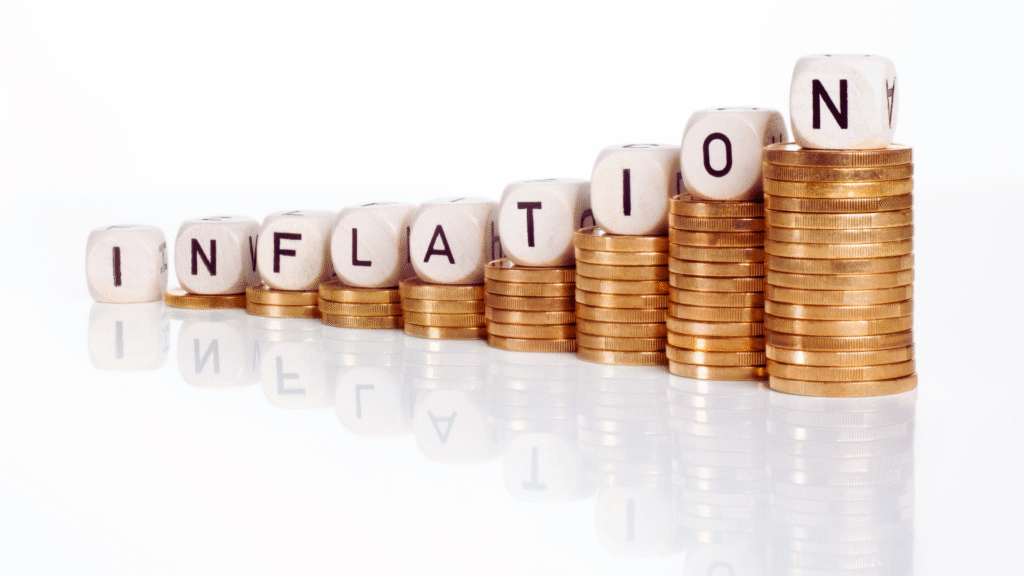
Inflation significantly influences long-term financial planning, affecting everything from savings to retirement strategies. Understanding the rate of inflation and its potential future implications is crucial for making informed decisions about investments and budgeting. As prices rise, the purchasing power of currency diminishes, which can erode the effectiveness of even the most robust financial plans.
When planning for the future, individuals must account for inflation to ensure their savings and investments maintain their value over time. Neglecting this factor can lead to inadequate funds for essential expenses later in life. Assessing various inflation scenarios and adjusting financial goals accordingly can mitigate risks and help maintain a stable financial future.
Moreover, those developing a comprehensive financial plan should consider inflation’s impact on interest rates and investment returns. Investments that may have seemed profitable under static conditions may be less attractive as inflation rises. Adapting strategies to focus on inflation-hedged assets can provide more security in uncertain economic climates.
Understanding Inflation and Its Influence on Financial Planning
Inflation significantly affects financial planning by influencing purchasing power, the cost of living, and long-term financial goals. By understanding inflation’s core components, individuals can better strategise their financial plans to ensure their goals are achievable.
Defining Inflation and Key Economic Indicators
Inflation is the rate at which the general level of prices for goods and services rises, leading to a decrease in purchasing power. Key economic indicators include the Consumer Price Index (CPI), which measures the average change in prices over time.
The rate of inflation reflects changes in the cost of living and is crucial for assessing economic conditions. Tracking these indicators helps individuals evaluate the impact of inflation on their financial plans, as it directly affects the values of their savings and investments.
How Inflation Erodes Purchasing Power
As inflation rises, the purchasing power of money decreases. This means that consumers can buy less with the same amount of money over time. For instance, if the rate of inflation is 3%, a basket of goods costing £100 today will cost £103 in a year.
This erosion of purchasing power necessitates adjustments in financial planning. Incorporating expected inflation rates helps ensure that savings and investments grow at a pace that maintains or enhances purchasing power, safeguarding financial stability in the long term.
The Relationship Between Inflation and Financial Goals
Inflation plays a critical role in setting and achieving long-term financial goals. Individuals must consider how rising costs may impact their desired standard of living and future expenses.
For example, if someone aims to retire in 20 years, they should factor in inflation when estimating required retirement savings. Failing to account for inflation can lead to insufficient funds and hinder achieving financial objectives, such as buying a home or funding education. Understanding this relationship allows for more informed decision-making in financial planning.
Impact of Inflation on Investments and Asset Allocation
Inflation significantly influences investment performance and asset allocation strategies. Understanding how various asset classes respond to rising prices is essential for long-term financial planning.
Changing Value of Stocks, Bonds, and Real Estate
Inflation erodes the purchasing power of fixed-income investments, such as bonds. As inflation rises, interest rates often increase in response. This higher interest environment can lead to declining bond prices, as newer bonds offer better returns compared to existing fixed-rate bonds.
Stocks can either benefit or suffer during inflation, depending on the company’s pricing power. Firms with strong pricing power may pass on costs to consumers, potentially maintaining their profit margins. Real estate often serves as a hedge against inflation. Property values and rental prices typically rise during inflationary periods, enhancing the appeal of this asset class.
Meanwhile, as inflation slows or stabilizes, central banks often lower interest rates to stimulate economic activity, creating a more favorable environment for buyers and investors. Lower interest rates make major purchases more attainable, allowing individuals to consider opportunities like Austin Real Estate or other significant investments, such as vehicles and home improvements. This favorable environment encourages spending and supports strategic decisions that align with long-term financial goals.
This is especially true for families who have to move frequently, such as military personnel. When these families get new orders, they often look for stable housing markets near their new stations. Buying a home near a major base is a common way to build equity. For those relocating to northeastern Kansas, looking into fort leavenworth real estate is a practical step. These buyers often find that local home values remain steady because of the constant demand from incoming service members.
Other buyers look for affordable alternatives to traditional houses to avoid large mortgages. For instance, many people choose manufactured homes because they cost less and are easy to maintain. Finding a renovated mobile home for sale Alberta (or elsewhere) is a popular option for families who want to own a home without the high price tag. These properties are often ready for immediate move-in, which helps people who need to relocate quickly for work. This choice allows buyers to keep their living costs low and build equity in their own property.
Inflation-Hedging Asset Classes and Strategies
Investors may turn to specific asset classes that traditionally hedge against inflation. Commodities, including precious metals like gold, often hold value during inflationary times. These assets tend to appreciate as the currency’s purchasing power declines.
TIPS (Treasury Inflation-Protected Securities) are another option, indexed to inflation rates. This means their value adjusts according to consumer price indices. Creating a diversified portfolio that includes these inflation-protected investments can help mitigate inflation’s adverse effects.
Market Volatility and Asset Allocation Decisions
Inflation can increase market volatility, impacting investment strategies. As investors react to rising prices, asset prices may fluctuate more dramatically. This situation creates challenges in maintaining a balanced portfolio.
Investors must be proactive in asset allocation, regularly reassessing their strategies. For instance, they may choose to increase allocations to sectors that benefit from inflation, such as commodities or real estate. Conversely, holding too many bonds during high inflation can deteriorate returns.
Liquidity Considerations During Rising Prices
Rising prices can complicate liquidity management within investment portfolios. Investors may need immediate access to cash or liquid assets to cope with unforeseen expenses linked to inflation.
Maintaining a portion of the portfolio in cash or cash equivalents can provide the necessary liquidity. However, excessive cash holdings during inflation may lead to negative real returns. Balancing the need for liquidity with the pursuit of growth is crucial during inflationary periods.
Long-Term Financial Goals, Savings, and Retirement Planning Amid Inflation
Inflation significantly influences long-term financial planning, particularly in the spheres of retirement savings and goal-setting. Understanding its impact is essential for devising effective strategies to safeguard future financial well-being.
Effect of Inflation on Retirement Planning and Nest Egg
Inflation erodes purchasing power over time, which poses challenges when planning for retirement. For example, a fixed income from pensions may not keep pace with rising costs, potentially compromising lifestyle quality.
Adjusted for inflation, a £1,000 monthly retirement income in today’s currency will lose value over 20 years. Assuming an annual inflation rate of 3%, this amount would effectively be worth only about £552 after two decades.
To counter this, individuals should aim to accumulate a larger nest egg, accounting for inflation’s effects. Continuous contributions to retirement accounts that offer growth potential are essential. This may involve diversifying investments to include options such as stocks or inflation-indexed bonds for better long-term performance.
Savings Accounts and Maintaining Value Over Time
Standard savings accounts often yield low interest rates, making them inadequate for maintaining value in an inflationary environment. If an account offers a 1% interest rate while inflation is at 3%, the real value of savings diminishes.
To mitigate this issue, individuals can explore high-interest savings accounts or fixed-term deposits that provide better interest rates. Inflation-linked savings bonds are also viable, as their returns adjust based on inflation rates, helping to preserve purchasing power.
Regularly reviewing savings strategies is crucial. Allocating funds into higher-yield investment options may better serve long-term goals, enabling savings to grow at a rate that outpaces inflation.
Building a Resilient Financial Plan for Long-Term Goals
Creating a robust financial plan requires incorporating inflation considerations into savings strategies. Individuals should assess their long-term financial goals, factoring in expected inflation rates during retirement.
Developing an adaptable budget allows for regular adjustments based on inflation trends. This flexibility is vital for accommodating unforeseen economic changes and maintaining the purchasing power of savings.
Investment diversification should also play a critical role. Combining assets across different classes—stocks, real estate, and bonds—can help offset inflationary impacts. A focus on long-term growth vehicles is essential in building resilience against inflation’s erosion of financial stability.
Adaptive Financial Planning Strategies During Persistent Inflation
In times of persistent inflation, individuals and businesses must adopt strategic approaches to manage their finances effectively. This includes optimising budgets and cash flows, adjusting for rising living costs, and safeguarding small businesses and supply chains.
Managing Budget and Cash Flow
Effective budget management is crucial during inflationary periods. Individuals should prioritise essential expenses and identify discretionary spending that can be reduced.
Creating a flexible cash flow plan allows for adjustments in response to fluctuating costs. This might involve:
- Increasing emergency savings to cover unexpected expenses.
- Reviewing and renegotiating fixed costs, such as subscriptions or insurance rates.
For businesses, closely monitoring cash flow enables timely adjustments to pricing, ensuring sustainability. Implementing regular financial assessments helps identify trends and prepares them for upcoming financial pressures.
Adjusting for Increased Living Costs
Staying ahead of rising living costs requires proactive adjustment of spending habits. Individuals can conduct a thorough review of their monthly expenses, distinguishing needs from wants.
Strategies may include:
- Utilising discounts and loyalty schemes to offset higher prices.
- Considering alternatives to premium brands in essential categories like food and household supplies.
For families, preparing meals at home instead of dining out can lead to significant savings. It is crucial for individuals to remain vigilant about inflation’s impact on their overall budget and adjust spending accordingly.
However, even when cutting back on daily expenses, many people still set aside a small budget for travel and special dining experiences. Planning ahead helps travelers enjoy good food without overspending during their trips. For example, visitors to the Southern California coast often look for curated guides to find the best dining spots that fit their budget. Checking a list of the Best Restaurants on Ocean Avenue, Santa Monica helps travelers plan their meals and manage their travel costs. This kind of preparation keeps vacation spending under control and prevents unexpected costs.
Protecting Small Businesses and Supply Chains
Small businesses face unique challenges during inflation, particularly concerning supply chain stability. Developing strong relationships with suppliers can lead to more reliable pricing and availability of essential goods.
To protect margins, businesses can:
- Diversify suppliers to mitigate risks associated with single-source dependencies.
- Assess and modify inventory levels based on changing demand to avoid excess stock costs.
Additionally, businesses should explore technology solutions to streamline operations and reduce costs. This proactive stance aids in maintaining competitiveness and securing the supply chains essential for sustained operation.